Real-Time Chat App: Reliable Messaging With Socket.io
A modern chat experience featuring presence, secure auth, and real-time delivery using Socket.io.
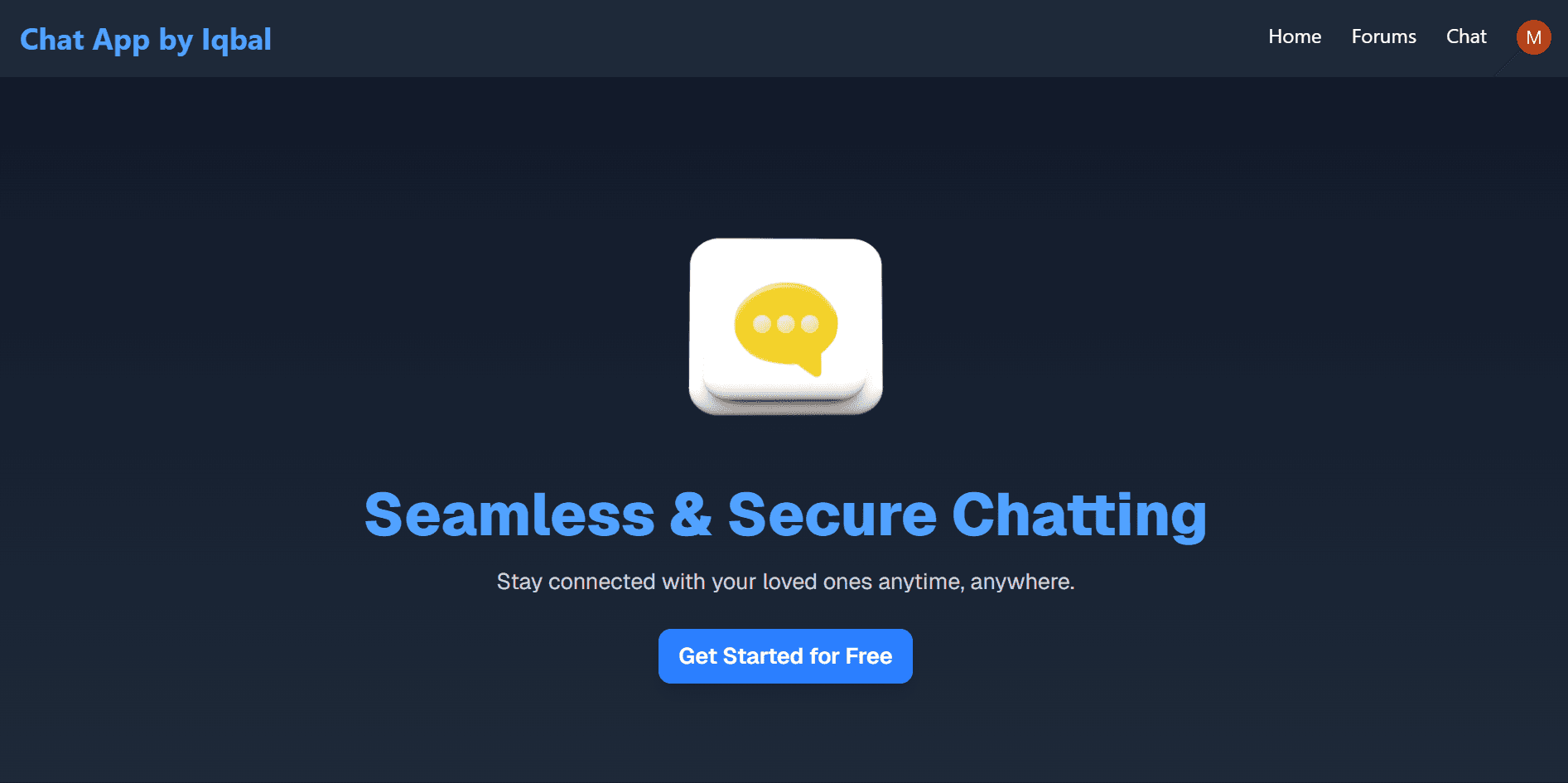
Why I built this
Real-time communication is a baseline expectation for modern apps, yet building a reliable, low-latency chat experience remains difficult. I set out to build a chat application that feels instant, supports presence and typing indicators, and scales without becoming fragile. The focus was on a clean user experience backed by solid infrastructure.
The application targets use cases like community chat, team collaboration, or customer support. From a business standpoint, the product needed to communicate value through SEO-focused landing content, emphasizing terms such as "real-time chat app" and "Socket.io messaging".
Architecture overview
Socket.io powers real-time bidirectional communication. Each conversation is a room, which keeps message delivery scoped and efficient. The server emits presence updates and typing indicators, while the client performs optimistic updates so users see their messages immediately before server confirmation.
Reliability features
Reliability is achieved through delivery acknowledgments and retry logic. When a user sends a message, the client marks it as pending until a server acknowledgment arrives. If the connection drops, the client queues messages and resends once reconnected. This minimizes the risk of lost content and improves user trust.
Presence and typing indicators
Presence adds important context in real-time collaboration. The system tracks active users and displays their status. Typing indicators are throttled to avoid excessive network traffic, balancing responsiveness and performance. These UX elements make conversations feel natural.
Security and authentication
All chat threads are protected by Clerk authentication. This ensures only authorized users can participate. Role-based access ensures private groups remain isolated. In addition, the system sanitizes input to prevent injection or script attacks.
SEO strategy
The public pages describe outcomes such as fast delivery, reliable message syncing, and modern UX. Metadata is optimized for keywords like "real-time chat" and "Socket.io app". The content focuses on speed, scalability, and security—key decision factors for teams evaluating messaging software.
Stack choices
- Next.js for routing, SEO, and UI delivery
- Socket.io for real-time messaging
- MongoDB for persistent chat history
- Clerk for authentication and session management
Lessons learned
The biggest lesson was balancing UX with infrastructure. Optimistic UI creates instant feedback, but it requires robust server acknowledgment to stay consistent. Another lesson was that real-time apps benefit from clear error messaging; when a message fails, users should understand why and what to do next.
Future roadmap
Planned features include file sharing, read receipts, and user analytics. These improvements would add more business value and enhance the SEO narrative around enterprise-ready messaging tools.
Want to build something similar?
I help teams ship fast, SEO-ready web products with modern stacks. Reach out to discuss your project.
View portfolio →